The Viral $100K Stunt That Ended in Kidnapping: 5 Plead Guilty
I need to talk about a federal courtroom development in Detroit that should frankly terrify every single person who creates, shares, or consumes viral content. Five defendants just entered formal guilty pleas in federal court for a coordinated plot that involved carjacking, kidnapping, beating, and nearly burning alive 60-year-old Curtis Dixon. Why did this happen? Because a TikTok mega-influencer handed him $100,000 on camera, slapped his face across every social feed on Earth, and painted a glowing, six-figure target directly onto his back for 20 million viewers.
That is not hyperbole. That is the literal sworn testimony detailed in federal court records.
For years, commentary channels—including Coffeezilla, Philip DeFranco, and plenty of us across YouTube—have warned about the perverse mechanics of "performative philanthropy." We've called out the staged tears. We've scrutinized the emotional manipulation. But this horror story in Michigan takes things to a chilling new tier. It is the definitive real-world nightmare scenario of what happens when clout-chasing benevolence collides with cold, predatory street reality.
The Staged Setup: A Pawn Shop on 8 Mile
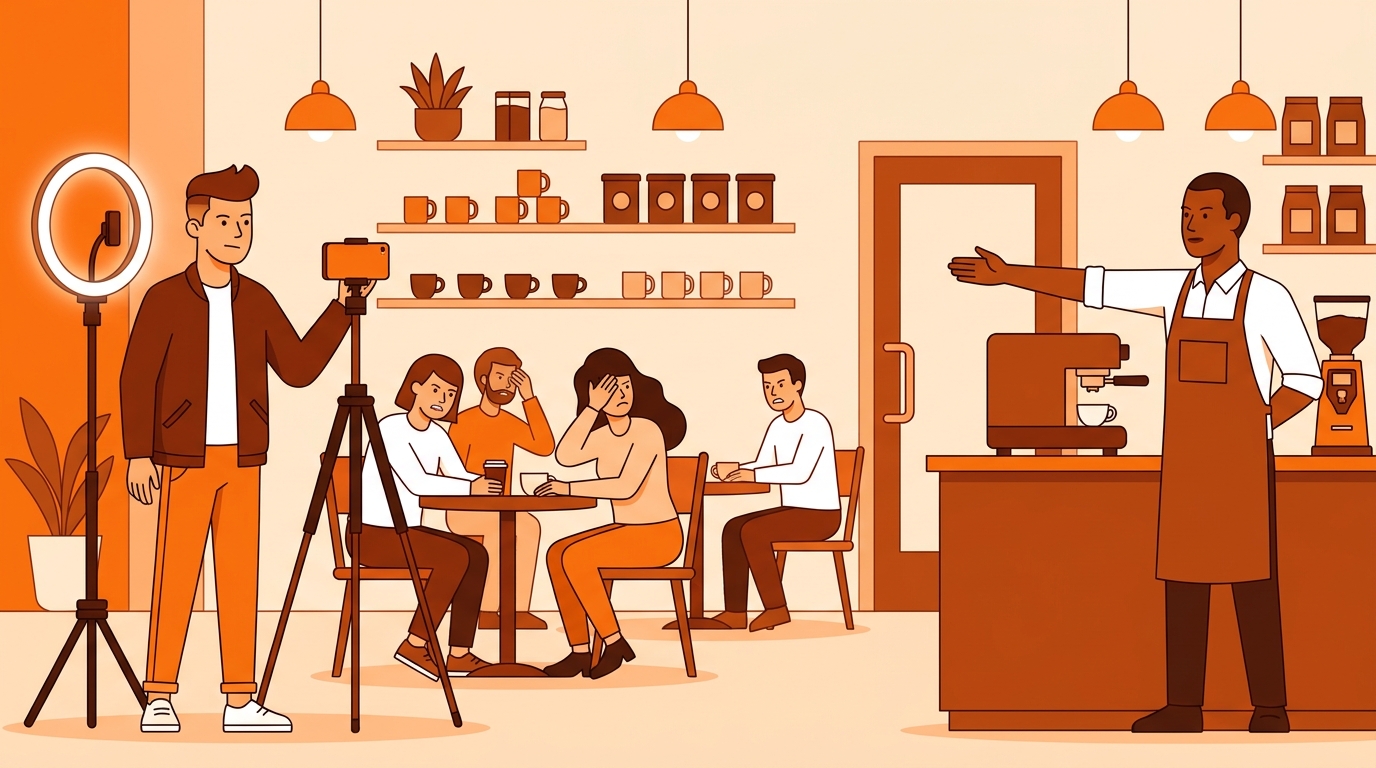
Let's roll the tape back to August. Zachery Dereniowski—known to his 20 million TikTok followers as "MDMotivator"—set up his cameras outside American Jewelry and Loan on 8 Mile in Detroit. If you've spent any time on TikTok or Instagram Reels, you know his signature formula by heart. Dereniowski stages social experiments where he pretends to be helpless, destitute, or physically disabled to see which random passerby will show mercy.
On this particular afternoon, Dereniowski was playing a blind man stumbling outside the pawn shop, asking strangers for help standing up and spare pocket cash. Enter Curtis Dixon. Dixon was having what was likely the worst week of his life. His electric service had just been shut off at home. He had zero cash to feed his family or turn the lights back on. He was walking into that pawn shop with his own wedding ring tucked into his pocket, preparing to pawn a cherished personal keepsake just to survive.
Yet when this "blind" stranger asked him for assistance, Dixon didn't brush him off. He didn't walk past. Despite having almost nothing to his name, Dixon stopped, helped the creator, and handed over whatever small cash he had in his pocket. It was an astonishing act of pure, selfless humanity.
And that's precisely when the cameras sprang the trap.
Dereniowski dropped the blind act. He broke down the reveal on camera. He handed Dixon $1,000 in cash on the pavement, bought him a vehicle, and launched a massive GoFundMe campaign that rapidly surpassed $100,000 in global donations. The resulting video exploded across the platform. Over 20 million views in days. Hundreds of thousands of shares. Comment sections overflowing with comments crying, "Faith in humanity restored!"
The influencer collected millions of impressions, thousands of new followers, and the kind of spotless brand equity that sponsors pay six figures to align with. But what happened the moment the production equipment was packed up and Dereniowski hopped a flight out of Detroit? Curtis Dixon didn't get relocated to a gated community. He stayed right where he lived. Only now, every desperate, opportunistic criminal in the area knew he was sitting on an extraordinary cash windfall.
The Plot: Jailhouse Calls and Family Betrayal
The illusion of internet goodwill shattered almost immediately. According to federal prosecutors from the U.S. Attorney's Office for the Eastern District of Michigan, Dixon's viral fame did not just attract well-wishers; it caught the attention of his own estranged relatives.
Federal court documents revealed that Dixon's nephew, Roland Chatmon, was listening closely. Prosecutors uncovered recorded prison telephone calls between Chatmon and his incarcerated brother discussing Dixon's sudden social media windfall. They weren't celebrating his good fortune. They were calculating how to extract every single penny of it.
Chatmon assembled a crew: Leica Lopez Martinez, Ieasha Stroman, Dneiqua Stroman, and Kenneth Anderson. Together, they orchestrated a premeditated ambush that turned Dixon's life into a terrifying hostage film.
- The Bait: On September 1, the conspirators baited Dixon by reaching out with a fake sob story about a broken-down car requiring a jump. They weaponized the exact same generous instinct that made him viral in the first place.
- The Ambush: The moment Dixon arrived to help, suspects ambushed him at gunpoint, physically battered him, and forced him into the trunk of his own SUV.
- The Bank Drain: Dixon was held hostage and driven between multiple ATM machines across the city, forced under threats of death to make maximum cash withdrawals while his attackers repeatedly assaulted him.
- The Home Invasion: The conspirators broke into Dixon's house, hunting for cash and a safe. In the process, they encountered Dixon's elderly aunt, tied her up, and locked her in a bathtub.
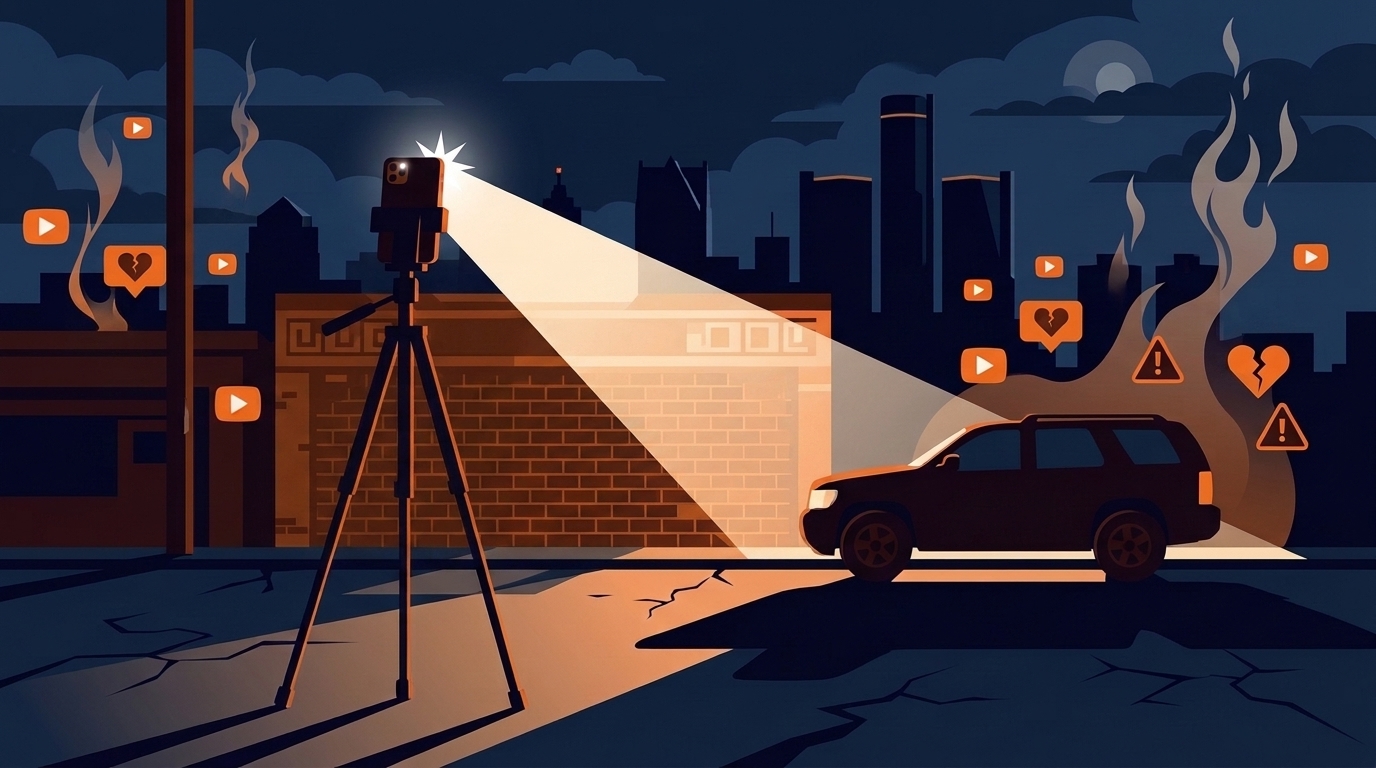
- The Arson: In the final act of brutality, the kidnappers bound Dixon, abandoned him inside the vehicle, and set the SUV ablaze before fleeing.
Let that sequence sink in. Dixon was left tied up in a vehicle engulfed in flames. If heroic bystanders had not witnessed the rising smoke and sprinted over to pull Dixon out of the fire, this man would have died. A man whose only "crime" was giving his last dollars to a disguised TikTok creator was nearly incinerated for internet fame.
Five Guilty Pleas in Federal Court
Today, the legal hammer finally dropped. All five co-defendants entered formal guilty pleas in federal court:
- Roland Chatmon: Pleaded guilty to federal kidnapping and firearm offenses. He faces decades behind bars.
- Leica Lopez Martinez: Pleaded guilty to kidnapping and weapons charges.
- Ieasha Stroman & Dneiqua Stroman: Both entered guilty pleas to federal kidnapping and firearms charges for their active roles in the abduction and extortion.
- Kenneth Anderson: Pleaded guilty to money laundering for coordinating the digital transfer of stolen funds via Cash App; sentenced to federal probation and ordered to pay restitution.
Federal prosecutors made it crystal clear: this violent conspiracy was triggered directly by the viral broadcast of Dixon's sudden financial windfall. The paper trail from the viral TikTok video straight to the federal prison docket is unbroken.
The Internet Debate: Blame the Influencer or the Criminals?
As the news broke, the internet commentary space fractured into two passionate, shouting camps. I've spent hours reading through threads on Reddit's r/Michigan, Twitter/X feeds, and YouTube reaction channels, and the divide is fascinating.
On one side, you have the influencer defenders. Their argument is straightforward: "Zachery Dereniowski didn't pull a gun. He didn't light a match. He raised $100,000 for a struggling man. You cannot hold a creator accountable for the depraved actions of violent criminals."
On the other side—where I firmly stand—the sentiment is searing indignation. Redditors and culture critics are pointing out that broadcasting someone's extreme vulnerability and immediate wealth without any protective infrastructure is gross negligence masquerading as empathy.
One comment on Reddit that racked up over 3,000 upvotes put it with brutal clarity: "These influencers treat low-income neighborhoods like a safari. They roll in, find someone at the lowest point of their life, film their tears, hand them a giant bag of cash, and vanish. They leave behind a giant target on a person who has no private security, no financial literacy training, and no way to defend themselves."
They are 100% right. Did Dereniowski intend for Curtis Dixon to be kidnapped? Obviously not. I am not accusing him of malice. But intention does not excuse an utter absence of creator responsibility.
The Broken Economics of "Drive-By Philanthropy"
Why do these videos dominate our algorithms? Follow the money. Performative charity is the highest-margin, lowest-friction content category in the creator economy.
Look at the risk-to-reward ratio. When a creator uploads a viral altruism clip that garners 25 million views across TikTok, Instagram Reels, and YouTube Shorts, here is what happens:
- The creator pulls in platform creator payouts, which are nice, but secondary.
- The creator builds an unassailable halo effect. Mainstream advertisers and corporate sponsors scramble to partner with them because their brand is perceived as wholesome and saintly.
- The creator gains hundreds of thousands of long-term subscribers, permanently compounding their channel's net worth.
Here at The Viral Pulse, our editorial hub runs on Dev Dominion, where we track creator metrics, digital media models, and monetization loops every single day. The structural flaw in this content model is undeniable: the creator keeps 100% of the upside, while externalizing 100% of the physical danger onto the subject.
Dereniowski walks away with enhanced prestige, algorithmic glory, and sponsorship leverage. Curtis Dixon was left with broken ribs, severe burns, a destroyed home, and trauma that will linger for the rest of his natural life.
How Real Philanthropy Operates vs. The TikTok Circus
When an everyday citizen wins a state lottery, what happens? State lottery commissions routinely allow winners to claim prizes anonymously through trusts. They provide financial counseling handbooks. They warn winners about predatory family members and extortion risks. When major philanthropic foundations distribute grants, they don't send cameramen to film recipients weeping on the sidewalk.
Even creators at the pinnacle of the space, like MrBeast, have built full-time operational infrastructure around their massive giveaways. They utilize nondisclosure agreements, off-camera security teams, and delayed broadcast timelines specifically so recipients aren't immediately sitting ducks.
What MDMotivator and dozens of smaller TikTok copycats practice is what I call drive-by benevolence. It is quick-hit emotional pornography. They show up, hand over cash or car keys, shoot the reaction reel, and immediately bounce to the airport. No security assessment. No relocation offer. No anonymous trust fund setup. Just pure, unadulterated vanity metrics.
If you genuinely want to change someone's life with six figures, you don't broadcast their neighborhood, their face, their poverty, and their cash haul to 20 million strangers while leaving them defenseless on the same street corner.
The Actionable Line: How Creators and Viewers Must Respond
This cannot just be another shocking headline we scroll past before watching the next 15-second skit. The federal guilty pleas in Detroit must serve as an urgent reckoning for the entire social video ecosystem.
If you are a content creator attempting charity content, here are the non-negotiable standards you need to adopt immediately:
- Offer Strict Anonymity: Never show the recipient's face, unblurred house, or neighborhood landmarks without explicit, informed security waivers. Real charity doesn't require showing a crying face.
- Set Up Protected Trusts: Never hand over raw cash piles or public GoFundMe totals that paint a target on someone's back. Funnel gifts through financial advisors who can manage disbursements safely.
- Provide Relocation & Security Reserves: If you are publicly dropping $100,000 into someone's life in a vulnerable area, budget for private security or temporary relocation assistance before publishing the video. If you can't afford that, you can't afford the stunt.
- Stop Rewarding Ambush Testing: Stop testing poor people by pretending to be homeless or disabled. It is patronizing, manipulative, and deeply cynical.
And for us as viewers? We have to stop rewarding this genre with our blind validation. Every time we like, share, and comment on an unvetted street charity video, we are incentivizing creators to put another vulnerable human being into the crosshairs of opportunistic violence.
Curtis Dixon gave his last dollars to a stranger because he possesses an extraordinary, rare heart. He deserved dignity, safety, and quiet respect. He did not deserve to fight for his breath in the trunk of a burning car just so an influencer could rack up views. It is time we hold performative creators to the standard they pretend to champion.