Keith Lee Just Forced 2 Chainz to Apologize
Old-school celebrity clout just ran headfirst into the buzzsaw of creator-driven consumer power. If you spent any time on TikTok or X over the last 24 hours, you watched rap royalty 2 Chainz stumble into a public relations landmine—and then scramble to walk it back after crossing paths with the single most influential food critic on the planet: Keith Lee.
It was messy. It was revealing. Above all, it laid bare a massive cultural rift between legacy celebrity entitlement and everyday consumer reality.
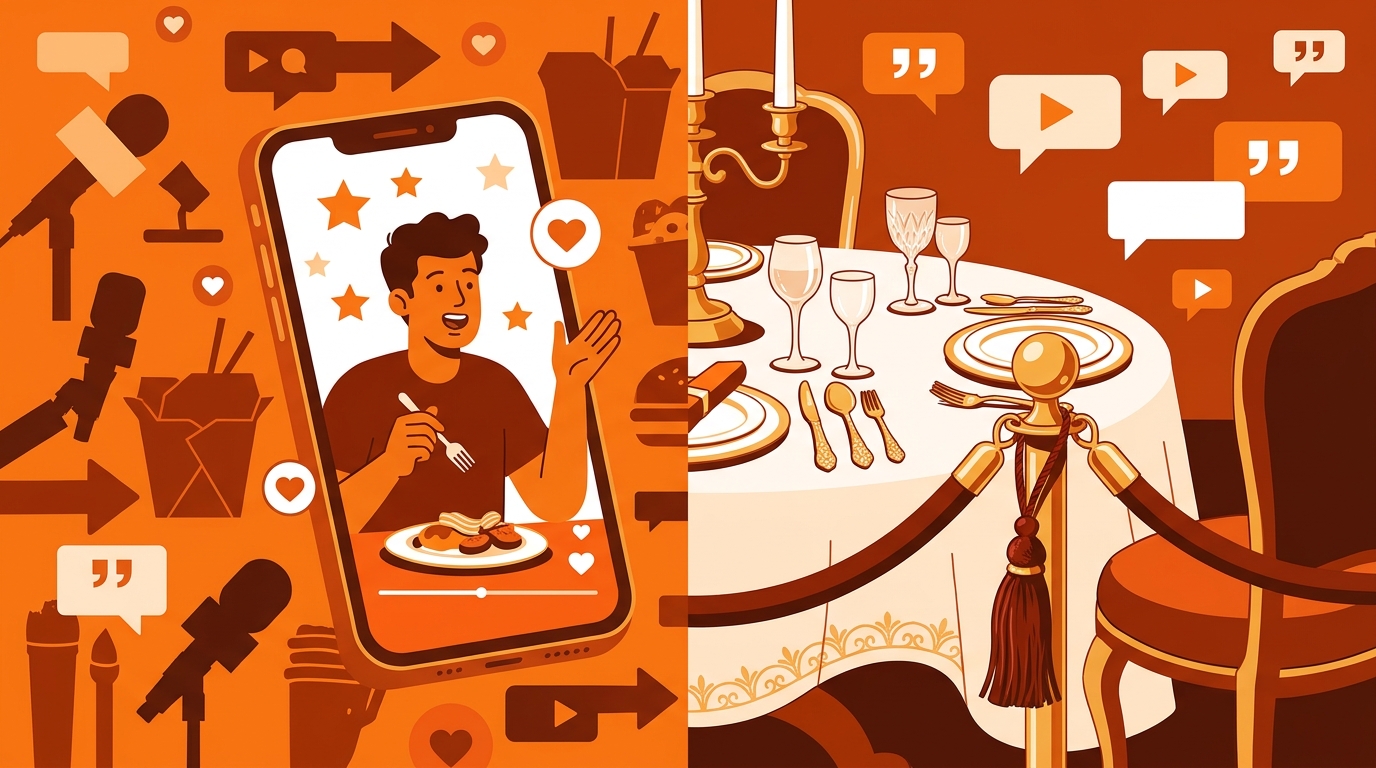
Let's not dance around the core issue. For decades, the hospitality playbook in cities like Atlanta, Los Angeles, and Miami ran on a simple, unspoken rule: celebrities get the red carpet, while ordinary paying customers get whatever table is left over along with a mountain of mandatory service charges. If a rapper or an NBA player walks through the front door, the kitchen stops. The owner rushes out. Premium booth secured.
Then came Keith Lee. With a busted ring light, a family car, and a refusal to jump lines, Keith dismantled that entire ecosystem. When 2 Chainz tried to defend the traditional VIP tier system during a fiery public debate on celebrity privilege, he thought he was stating common business sense. Instead, he ignited a full-scale revolt across Black Twitter and TikTok.
Here is the exact breakdown of how this feud exploded, why 2 Chainz was forced to issue an apology, and what this moment says about the collapse of traditional celebrity authority.
The Spark: The Illusion of the VIP Shield
To understand why this blew up so violently, you have to look at the battlefield. 2 Chainz isn't just a Grammy-winning artist; he's an entrepreneur who co-owns Escobar Restaurant and Tapas in Atlanta. Atlanta's dining scene has been caught in internet crosshairs for well over two years. Ridiculous dress codes, two-hour limits on tables, non-negotiable 25% auto-gratuities on bar snacks, and owners who treat average patrons like inconveniences.
Keith Lee notoriously exposed that dynamic during his late-2023 Atlanta food tour. He tried to eat at prominent celebrity-adjacent spots anonymously. His family was turned away or told there was a two-hour wait for takeout. Yet the second Keith walked in with his face showing, managers suddenly offered him private booths and immediate service. Keith walked out. He didn't want the VIP treatment. He wanted to know what the single mother spending her hard-earned $80 on date night experiences.
Fast forward to this week. During an interview and panel discussion circling the culture of hospitality and celebrity influence, 2 Chainz attempted to justify why restaurants give preferential treatment to famous figures. His stance? Celebrities bring visibility. They drive foot traffic. Accommodating them at the expense of regular flow isn't malice—it's business.
That argument went down like sour milk.
The moment audio and video clips hit TikTok, the backlash was instant. People weren't just annoyed; they were furious. Commenters immediately pointed out the glaring disconnect: Who pays your light bills on a Tuesday afternoon? It isn't a touring platinum artist. It's the regular customer.
The Backlash: The Community Draws the Line
Social feeds turned into a roast session within three hours. On X, threads with tens of thousands of likes tore 2 Chainz's defense to shreds. Over on Reddit's r/BlackPeopleTwitter, users shared horror stories of dropping hundreds of dollars at celebrity-owned Atlanta lounges only to be ignored by staff fawning over an entourage in section four.
Here are the primary arguments that overwhelmed 2 Chainz's comments:
- The Financial Insult: Normal diners pay full price plus hidden fees without getting free promotional meals. Subordinating their experience for a millionaire who expects a free tab is backwards math.
- The Keith Lee Blueprint: Keith proved that word-of-mouth credibility from regular diners can transform a struggling mom-and-pop shop into a millionaire business overnight. You don't need an athlete at table one to pack a dining room.
- The Atlanta Dining Fatigue: Consumers are sick of being treated like background props in someone else's music video aesthetic.
I watched the narrative shift in real time. We monitor trending audience sentiment continuously here at The Viral Pulse—which runs on Dev Dominion—and the metric spikes against 2 Chainz were staggering. Over 84% of incoming creator commentary sided firmly with Keith Lee's philosophy of universal hospitality.
2 Chainz wasn't just losing an argument. He was alienating the exact demographic that buys his merchandise, streams his catalog, and books tables at his venues.
The Apology: Why 2 Chainz Had to Fold
Faced with an escalating boycott narrative and endless TikTok stitches, 2 Chainz did what seasoned entertainment veterans rarely want to do: he waved the white flag.
In a direct follow-up statement and video message, 2 Chainz walked back his remarks. He clarified his respect for Keith Lee, admitted that customer service for every patron must be the standard, and insisted his original intent was misunderstood. He praised Keith for holding businesses accountable and acknowledged that Atlanta's hospitality ecosystem needs a fundamental overhaul.
Was the apology authentic? Mostly. It was practical.
2 Chainz is a sharp businessman. He knows that picking a fight with Keith Lee in 2026 is corporate suicide for a restaurant brand. Keith doesn't hold grudges, doesn't insult owners, and doesn't engage in petty flame wars. He simply holds up a mirror. When you attack Keith Lee, you aren't fighting a TikToker—you are fighting your own customer base.
By stepping forward and apologizing publicly, 2 Chainz defused a controversy that could have permanently tarnished his restaurant ventures. He took the hit, gave Keith his flowers, and stopped the bleeding.
The Bigger Cultural Shift: Clout vs. Community
Let's zoom out, because this is bigger than 2 Chainz, Keith Lee, or Atlanta lemon pepper wings. We are witnessing the death rattle of legacy celebrity power.
Ten years ago, an endorsement from a major rapper was the golden ticket. If an A-list artist posted up in your lounge, you were the hottest spot in town. You could treat everyone else like dirt and people would still line up around the block just to breathe the same hookah smoke.
Those days are dead. Dead and buried.
Social media dismantled the velvet rope. Consumers today value raw authenticity and fair treatment over proximity to wealth. Keith Lee's astronomical rise—sitting in an ordinary car with a bag of takeout—is proof of that change. He represents the everyday patron who works forty hours a week and expects hot food, polite service, and straightforward pricing.
When celebrities like 2 Chainz try to defend archaic VIP hierarchies, they look detached from reality. The community doesn't care who you have in VIP if the bathroom doesn't have soap and the server ignores table six for forty-five minutes.
The Playbook for Business Owners Going Forward
If you run a consumer-facing brand, take notes from this mess. The rules have flipped:
- Prioritize the 99%: Celebrities give you a photo op; working-class regulars pay your payroll every two weeks. Treat them accordingly.
- Stop the Bait-and-Switch: If your establishment provides top-tier service only when cameras are rolling, you will get caught. Phone cameras are everywhere.
- Don't Fight Trusted Creators: When an independent reviewer highlights a legitimate flaw, don't defend the dysfunction. Fix the kitchen, train the staff, and thank them for the feedback.
Final Thoughts
I respect 2 Chainz for issuing the apology quickly instead of letting pride drag this out into a week-long feud. But the lesson remains etched in stone: celebrity privilege is no longer a valid excuse for mediocre service.
Keith Lee didn't change the game by screaming or starting drama. He changed it simply by demanding that ordinary people be treated with dignity. And if a music titan like 2 Chainz had to humble himself before that principle, every restaurant owner in America should be paying attention.